JMV Child CareFoundation
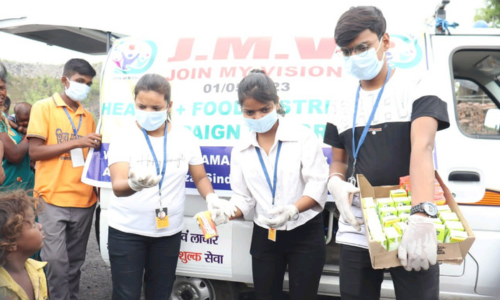
Access to quality healthcare remains a challenge for millions, especially in underserved and rural communities.
Creating measurable impact through healthcare and community outreach.
India has made significant progress in the health sector since independence. However, data from the National Family Health Survey (NFHS) reveals that access to healthcare continues to be a major challenge. Many individuals face difficulties such as long wait times for diagnostic tests and procedures, high costs for medicines and treatments, and basic needs like food, clothing, and shelter — particularly in the capital city of India. Therefore, a dual approach is crucial: first, bringing quality healthcare services directly to those in need, and second, promoting healthcare awareness and modern health-seeking behaviours among underprivileged populations.
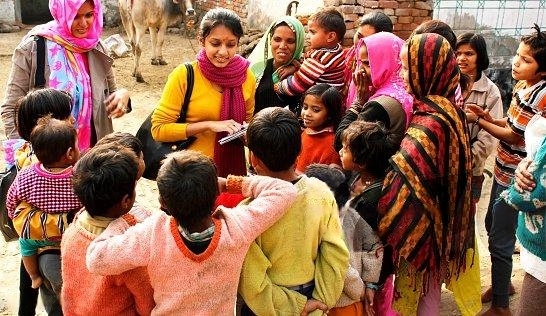
We also support menstrual healthcare for women through our AAROHI programme. This initiative aims to create both environmental and social change by promoting menstrual practices that are healthy, hygienic, environmentally sustainable, culturally appropriate, and empowering for women. The programme focuses on educating women about health and personal hygiene, ensuring that every woman and girl has access to affordable and adequate menstrual and reproductive healthcare.
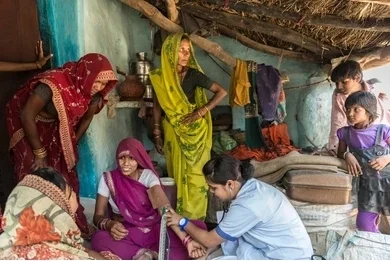
I am recovering slowly, thanks to the doctor who cured me.
When 55-year-old Ramdhar Singh's asthma and skin condition worsened, he had to stop working as a daily labourer. His wife took over farm work to support their family. With limited healthcare access in his village, people had to travel long distances for treatment, often losing wages.
Through the Mission Swasth clinic initiative, Dr. M. K. Varma identified his condition and provided timely treatment. Within just 15 days, Ramdhar's health improved significantly, allowing him to return to work. Today, he continues his treatment and actively encourages others in his village to seek medical help, becoming a voice of awareness and hope.